
Sciatica, Pinched Nerves, and Referred Leg Pain: Why the Source Matters
Sciatica is often described as a condition, but it is more accurately a pattern of symptoms. It typically involves pain, tingling, numbness, or weakness that begins in the low back or buttock and travels into one leg. Because several different problems can irritate the sciatic nerve or the nerve roots that form it, finding the right approach starts with understanding what may be causing the symptoms.
At Disc Center of America in Galveston, Texas, we believe persistent leg pain deserves more than a one-size-fits-all label. A careful evaluation can help identify the contributing factors and determine whether conservative, non-surgical care may be appropriate.
Sciatica Is a Symptom Pattern, Not One Diagnosis
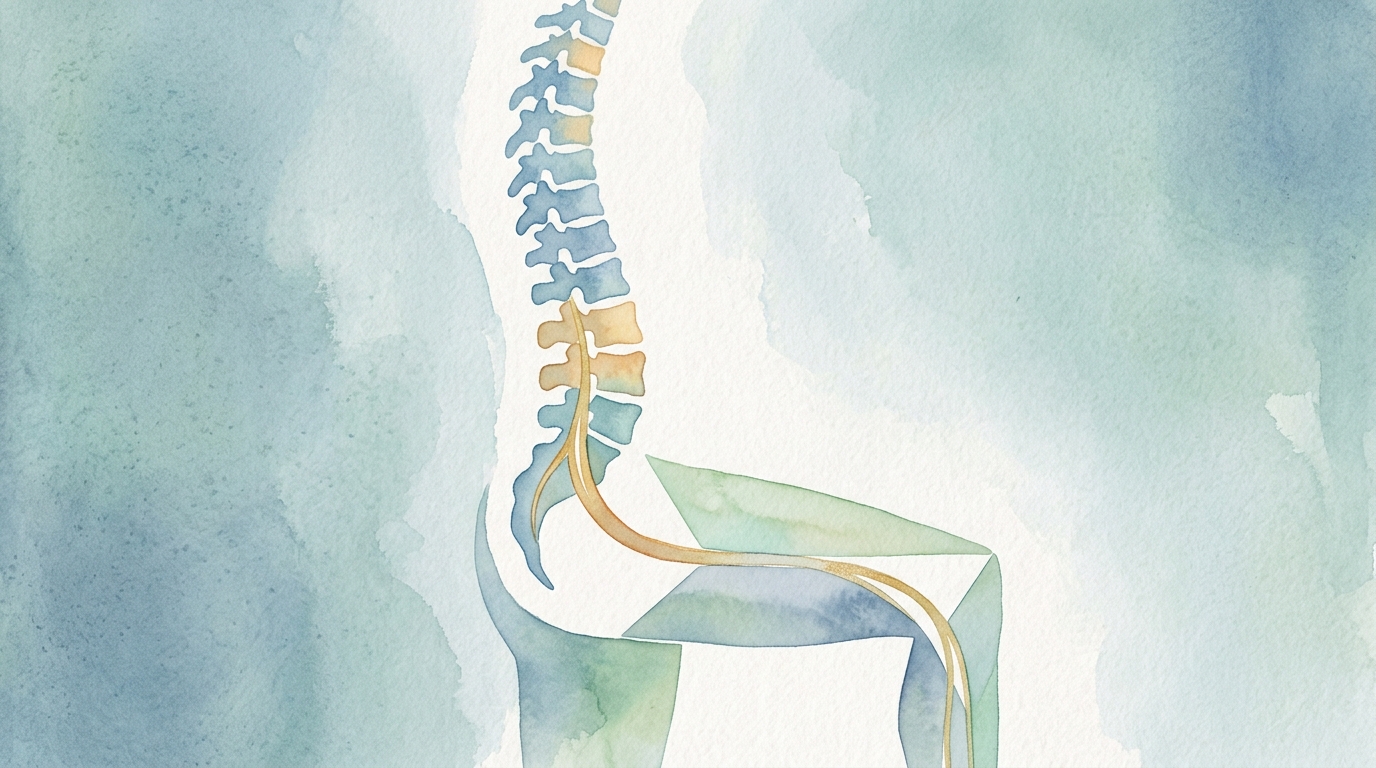
The sciatic nerve is the largest nerve in the body. It is formed by nerve roots in the lower spine and travels through the buttock and down each leg. When one of those nerve roots is irritated, inflamed, or compressed, symptoms may follow a path from the lower back into the hip, buttock, thigh, calf, or foot.
Some people feel a sharp, burning, or electric-like pain. Others notice pins and needles, numbness, heaviness, or weakness in the leg. Symptoms can be intermittent or constant, and they may become more noticeable with sitting, bending, standing, walking, coughing, or certain movements.
Two people may both say they have sciatica while having very different underlying concerns. That is why effective sciatica treatment in Galveston should begin with an individualized assessment rather than assumptions based on symptoms alone.
What Can Cause Sciatic-Type Leg Pain?
Many structures in and around the lower spine can affect the nerves that travel into the leg. A disc injury is one common contributor. Spinal discs act as cushions between the vertebrae, but a bulging or herniated disc can place pressure on a nearby nerve root or cause inflammation around it. This is why people seeking herniated disc treatment in Galveston, Texas, often report pain that extends beyond the low back.
Spinal narrowing, also called stenosis, can reduce the available space for nerves. Arthritic or irritated spinal joints may also contribute to inflammation, stiffness, and nerve irritation. Muscle tension, alignment issues, degenerative changes, and injuries from work or an auto accident can further complicate the picture.
Not every case of leg pain comes from the spine. Hip conditions, circulation concerns, and peripheral nerve problems can sometimes create symptoms that resemble sciatica. At Disc Center of America, we take this distinction seriously because the source of the problem helps guide the care plan.
Why a Careful Evaluation Matters
A thorough evaluation helps us look beyond the word “sciatica.” We listen to when your symptoms began, what makes them better or worse, where the symptoms travel, and whether you have experienced changes in strength, sensation, balance, or daily function.
We may assess posture, mobility, reflexes, muscle strength, and movement patterns. When appropriate, imaging records or medical history may also help clarify whether a disc issue, spinal narrowing, joint dysfunction, or another concern may be involved.
This careful process is especially important for people looking for pinched nerve treatment in Galveston, Texas. A pinched nerve is a common description, but the location and reason for nerve irritation can vary significantly. Identifying those details helps Disc Center of America recommend care that is more appropriate for your needs and goals.
Individualized, Non-Surgical Care Options
Many people with back-related leg symptoms want to explore conservative options before considering more invasive measures. Depending on the evaluation and your health history, our Galveston chiropractor may consider a personalized plan that includes chiropractic care, movement recommendations, and other supportive approaches designed to improve spinal function and reduce mechanical stress.
For appropriate patients with certain disc-related concerns, spinal decompression therapy may be considered. This non-invasive approach uses controlled traction to gently change pressure within the spine. It may be included as part of a broader plan for people experiencing chronic back pain, disc-related symptoms, or radiating leg pain.
No single treatment is right for everyone, and no responsible provider can guarantee a particular outcome. Our goal is to understand the factors affecting your symptoms, discuss reasonable non-surgical back pain treatment options in Galveston, and help you make an informed decision about next steps.
Everyday Habits Can Affect Symptoms
Even when a nerve is involved, daily activities can influence how symptoms feel. Prolonged sitting, repetitive bending and twisting, poor lifting mechanics, and sudden increases in physical activity may aggravate an already sensitive area. Small adjustments in posture, work setup, movement breaks, and body mechanics can be useful parts of a broader care plan.
However, self-care should not replace evaluation when pain persists, spreads down the leg, or affects your ability to work, sleep, walk, or enjoy normal activities. Chronic pain relief in Galveston begins with a clearer picture of what your body may be responding to.
Know When Sciatica Symptoms Need Urgent Attention
Most episodes of back and leg pain are not medical emergencies, but some symptoms require prompt medical attention. Seek urgent evaluation if you experience progressive or significant leg weakness, new bowel or bladder changes, or numbness in the saddle area—the groin, inner thighs, and area around the buttocks.
These signs can indicate a serious nerve problem that should not be managed by waiting it out or relying solely on conservative care. Severe pain after a major injury, unexplained fever, or symptoms accompanied by other concerning health changes also warrant timely medical assessment.
Finding the Right Next Step for Your Back and Leg Pain
Whether your symptoms began after lifting, a long period of sitting, an injury, or without a clear trigger, the label “sciatica” is only the beginning of the conversation. The more clearly the contributing factors are understood, the better positioned you are to consider care options that fit your situation.
Disc Center of America provides individualized evaluations for Galveston residents seeking help with disc concerns, nerve-related pain, and non-invasive spine care. If back pain, tingling, numbness, or leg weakness is interfering with your life, schedule an evaluation with our team to discuss what may be contributing to your symptoms and whether conservative care may be right for you.
FAQ
Is sciatica always caused by a herniated disc?
No. A herniated or bulging disc can contribute to sciatic-type symptoms, but spinal narrowing, joint irritation, degenerative changes, muscle-related issues, and other conditions may also affect the nerves that travel into the leg.
Can sciatica cause numbness or weakness?
Yes. Nerve irritation can cause pain, tingling, numbness, and sometimes weakness in the leg or foot. New, worsening, or progressive weakness should be evaluated promptly.
What is spinal decompression therapy?
Spinal decompression therapy is a non-invasive treatment that uses controlled traction to change pressure in the spine. For some appropriately selected patients, it may be considered within a personalized plan for disc-related or nerve-related symptoms.
When should I seek urgent care for sciatica symptoms?
Seek urgent medical attention for progressive weakness, bowel or bladder changes, or saddle numbness. These symptoms may signal a serious nerve issue requiring immediate assessment.
Can chiropractic care help with sciatica symptoms?
Chiropractic care may be one conservative option for appropriate patients, depending on the cause of symptoms and the results of an evaluation. At Disc Center of America, recommendations are tailored to the individual rather than based on a standard protocol.